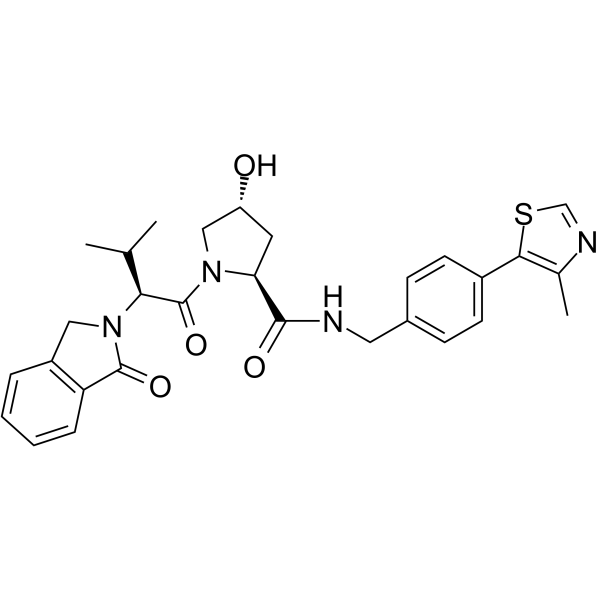
von Hippel-Lindau (VHL)
Von Hippel-Lindau (VHL) protein functions as a tumor suppressor and substrate recognition subunit of the Cullin2-RING E3 ligase complex (CRL2^VHL), mediating oxygen-sensing by targeting hypoxia-inducible factor alpha (HIF-α) for ubiquitination and proteasomal degradation[1][2]. Loss or mutation of VHL disrupts HIF-α regulation, resulting in differential activation of HIF isoforms, where HIF-1α can suppress and HIF-2α can promote tumorigenesis[3][4][5]. Mechanistically, VHL-mediated ubiquitination specifically regulates HIF-2α-driven transcriptional programs that control cell proliferation, angiogenesis, and erythropoiesis, as demonstrated in VHL-R200W polycythemia models and renal cell carcinoma (RCC) studies[6][7][8]. Compared with related isoforms, HIF-2α exhibits tissue-specific oncogenic activity, particularly in proximal tubular epithelial cells, whereas HIF-1α exhibits tumor-suppressive effects[4][9][10]. Experimental models, including zebrafish and conditional mouse knockouts, recapitulate VHL loss phenotypes such as hemangioblastomas, impaired visual function, and splenic erythropoiesis, facilitating pharmacological intervention studies[11][12][13]. VHL-targeted small molecules, such as VH298 and belzutifan, stabilize VHL protein or inhibit HIF-2α activity, thereby modulating downstream hypoxia responses and providing a framework for therapeutic strategies in VHL-associated RCC and other neoplasms[1][14]. Overall, precise regulation of VHL and HIF isoforms underpins disease pathogenesis, isoform-specific biology, and translational applications in inhibitor or agonist development[2][4][9].
References:
- [1]. Rabezanahary H, et al. Live virus neutralizing antibodies against pre and post Omicron strains in food and retail workers in Québec, Canada. Heliyon. 2024 May 21;10(10):e31026. [Content Brief]
- [2]. Takamori H, et al. Development of drugs targeting hypoxia-inducible factor against tumor cells with VHL mutation: Story of 127 years. Cancer Sci. 2023 Apr;114(4):1208-1217. [Content Brief]
- [3]. Schödel J, et al. Hypoxia, Hypoxia-inducible Transcription Factors, and Renal Cancer. Eur Urol. 2016 Apr;69(4):646-657. [Content Brief]
- [4]. Lima JDCC, et al. HIFα isoform specific activities drive cell-type specificity of VHL-associated oncogenesis. Nat Commun. 2025 Oct 16;16(1):9185. [Content Brief]
- [5]. Mazumder S, et al. Downstream Targets of VHL/HIF-α Signaling in Renal Clear Cell Carcinoma Progression: Mechanisms and Therapeutic Relevance. Cancers (Basel). 2023 Feb 19;15(4):1316. [Content Brief]
- [6]. Hickey MM, et al. von Hippel-Lindau mutation in mice recapitulates Chuvash polycythemia via hypoxia-inducible factor-2alpha signaling and splenic erythropoiesis. J Clin Invest. 2007 Dec;117(12):3879-89. [Content Brief]
- [7]. Ding Z, et al. Genetic and pharmacological strategies to refunctionalize the von Hippel Lindau R167Q mutant protein. Cancer Res. 2014 Jun 1;74(11):3127-36. [Content Brief]
- [8]. Cautain B, et al. Identification of the Lipodepsipeptide MDN-0066, a Novel Inhibitor of VHL/HIF Pathway Produced by a New Pseudomonas Species. PLoS One. 2015 May 27;10(5):e0125221. [Content Brief]
- [9]. Lee SJ, et al. Von Hippel-Lindau tumor suppressor gene loss in renal cell carcinoma promotes oncogenic epidermal growth factor receptor signaling via Akt-1 and MEK-1. Eur Urol. 2008 Oct;54(4):845-53. [Content Brief]
- [10]. Hermans A, et al. A 3D-Printed and Freely Available Device to Measure the Zebrafish Optokinetic Response Before and After Injury. Zebrafish. 2024 Apr;21(2):144-148. [Content Brief]
- [11]. Abimbola A, et al. Role of Targeted Therapy in the Management of von Hippel-Lindau Disease-Associated Renal Cell Carcinoma: A Single-Proportion Meta-Analysis. Cureus. 2025 Nov 23;17(11):e97606. [Content Brief]
All Product Categories
-
von Hippel-Lindau (VHL) Related Products (93)
Related Products (93)

-
Pomalidomide
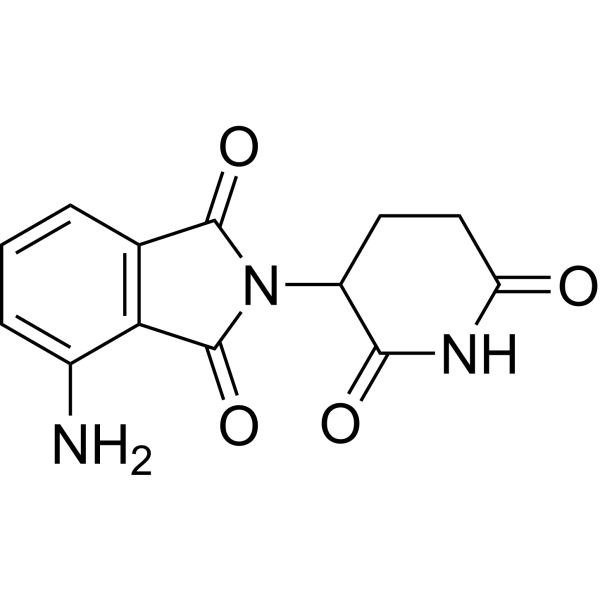 0 ImagesSynonyms: CC-4047Pomalidomide, the third-generation immunomodulatory agent, acts as molecular glue. Pomalidomide interacts with the E3 ligase cereblon and induces degradation of essential Ikaros transcription factors.
-
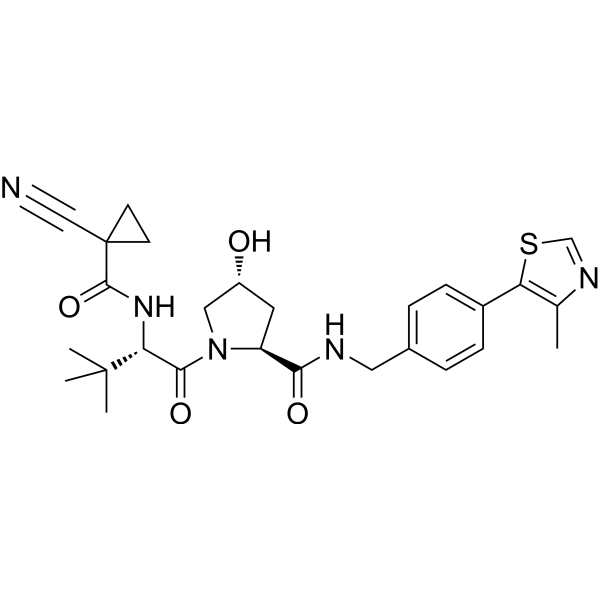
VH032
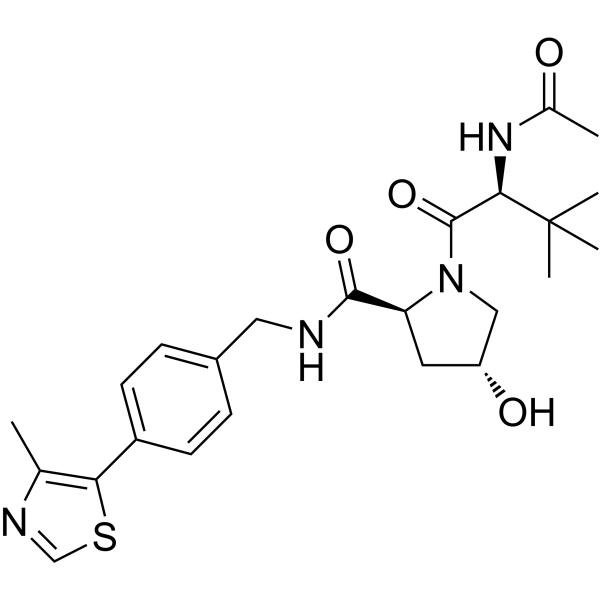 0 ImagesVH032 is a VHL ligand used in the recruitment of the von Hippel-Lindau (VHL) protein. VH032 is a VHL/HIF-1α interaction inhibitor with a KdPROTACs.
-
(S,R,S)-AHPC
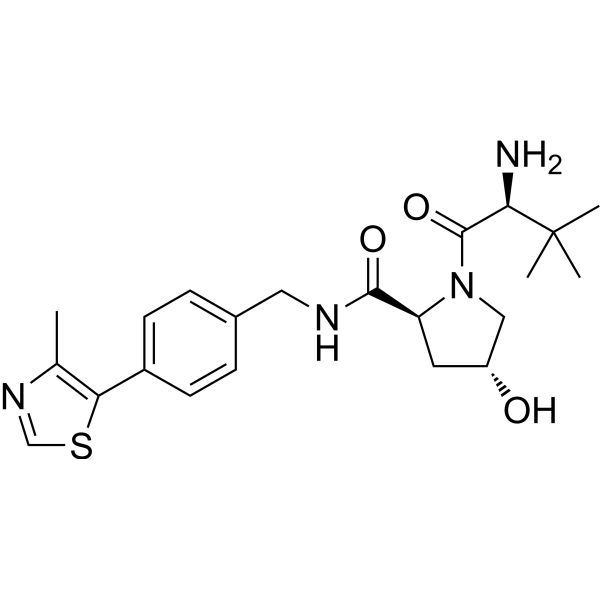 0 ImagesSynonyms: VH032-NH2; VHL ligand 1(S,R,S)-AHPC (VH032-NH2) is the VH032-based VHL ligand used in the recruitment of the von Hippel-Lindau (VHL) protein. (S,R,S)-AHPC can be connected to the ligand for protein (e.g., BCR-ABL1) by a linker to form PROTACs (e.g., GMB-475). GMB-475 induces the degradation of BCR-ABL1 with an IC50 of 1.11 μM in Ba/F3 cells.

-
VHL Ligand 14
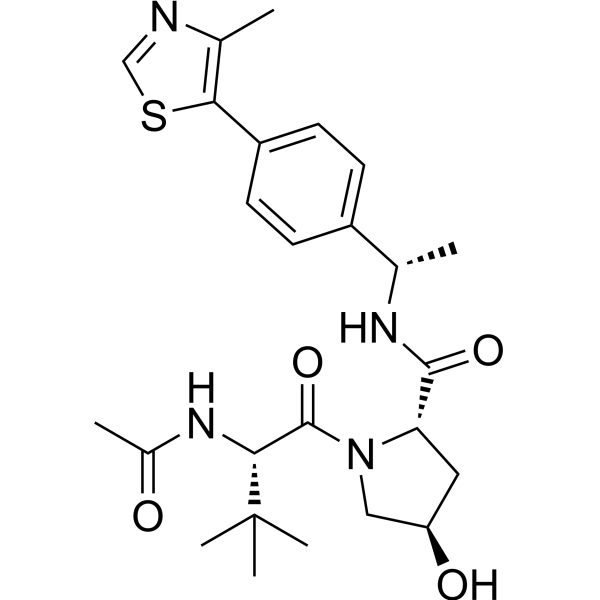 0 ImagesVHL Ligand 14 (Compound 11) is a VHL ligand for design of PROTAC estrogen receptor α (ERα) degraders, with a binding affinity IC50 of 196 nM.

-
(S,R,S)-AHPC monohydrochloride
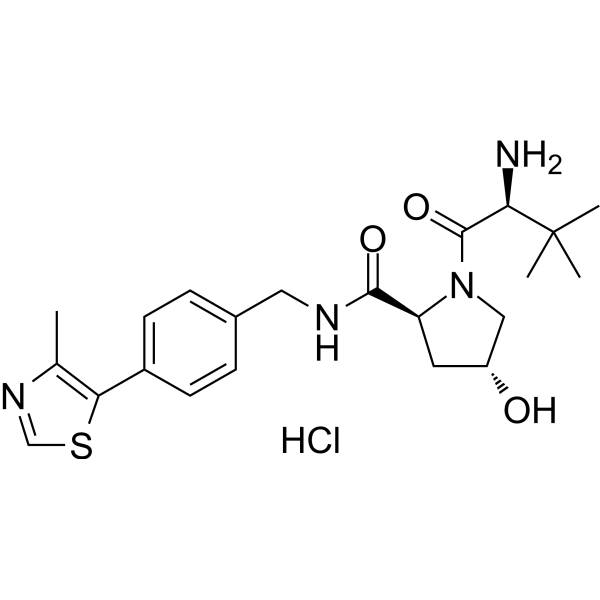 0 ImagesSynonyms: VH032-NH2 monohydrochloride; VHL ligand 1 monohydrochloride(S,R,S)-AHPC (VH032-NH2; VHL ligand 1) hydrochloride is the VH032-based VHL ligand used in the recruitment of the von Hippel-Lindau (VHL) protein.
-
(S,R,S)-AHPC-Me
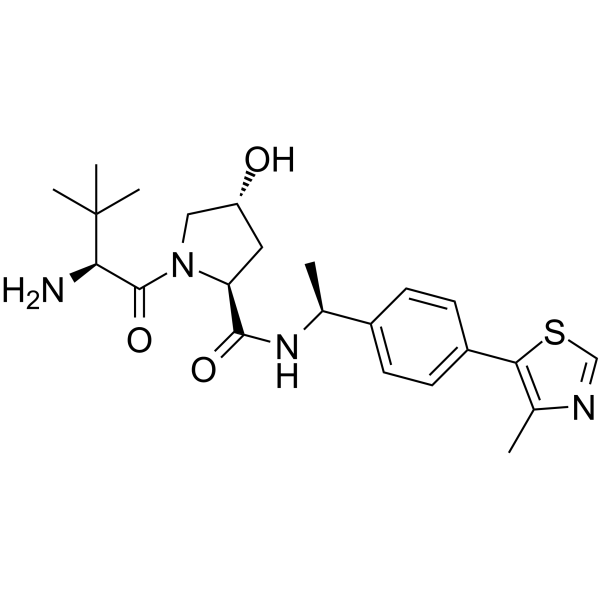 0 ImagesSynonyms: VHL ligand 2; E3 ligase Ligand 1A(S,R,S)-AHPC-Me (VHL ligand 2) is the (S,R,S)-AHPC-based VHL ligand used in the recruitment of the von Hippel-Lindau (VHL) protein. (S,R,S)-AHPC-Me can be used to synthesize ARV-771, a von Hippel-Landau (VHL) E3 ligase-based BET PROTAC degrader. ARV-771 potently degrades BET protein in castration-resistant prostate cancer (CRPC) cells with a DC50 <1 nM.
-
(S,R,S)-AHPC-Me hydrochloride
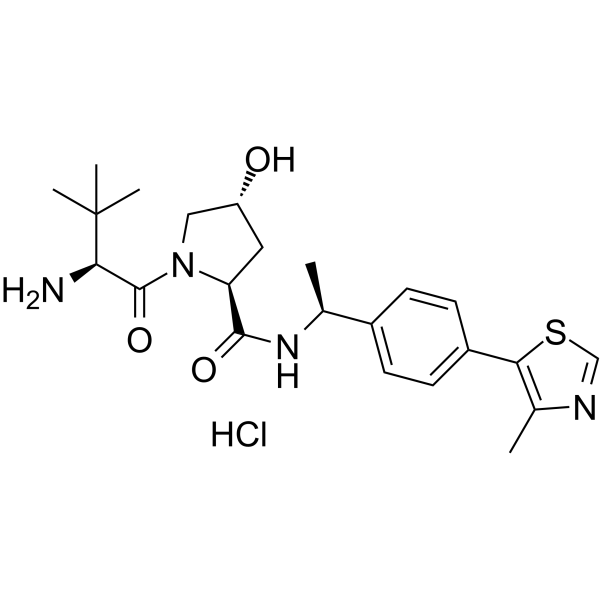 0 ImagesSynonyms: VHL ligand 2 hydrochloride; E3 ligase Ligand 1(S,R,S)-AHPC-Me hydrochloride (VHL ligand 2 hydrochloride) is the (S,R,S)-AHPC-based VHL ligand used in the recruitment of the von Hippel-Lindau (VHL) protein. (S,R,S)-AHPC-Me hydrochloride can be used to synthesize ARV-771, a von Hippel-Landau (VHL) E3 ligase-based BET PROTAC degrader. ARV-771 potently degrades BET protein in castration-resistant prostate cancer (CRPC) cells with a DC50 <1 nM.
-
VHL-IN-1
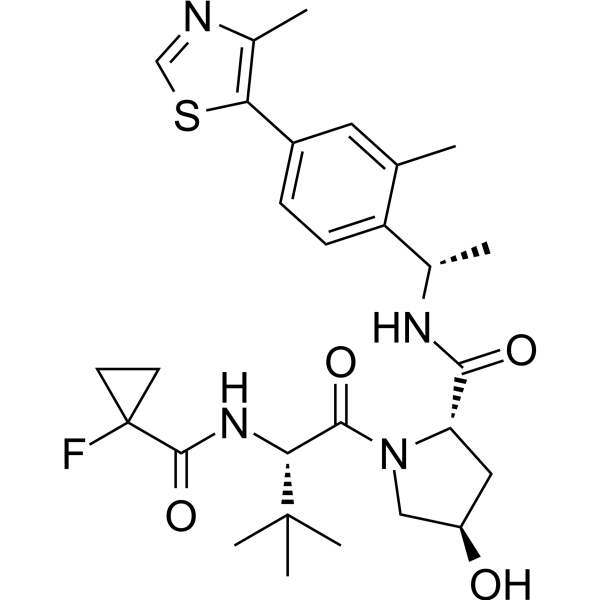 0 ImagesVHL-IN-1 (Compound 30) is an E3 ligase VHL inhibitor with a Kd value of 37 nM. VHL-IN-1 blocks VHL-mediated ubiquitination and degradation of HIF-1α. VHL-IN-1 stabilizes the protein levels of HIF-1α and hydroxylated HIF-1α, and induces the transcriptional activity of HIF-1α. VHL-IN-1 can be used for PROTAC development. VHL-IN-1 is applicable for cancer research.

-
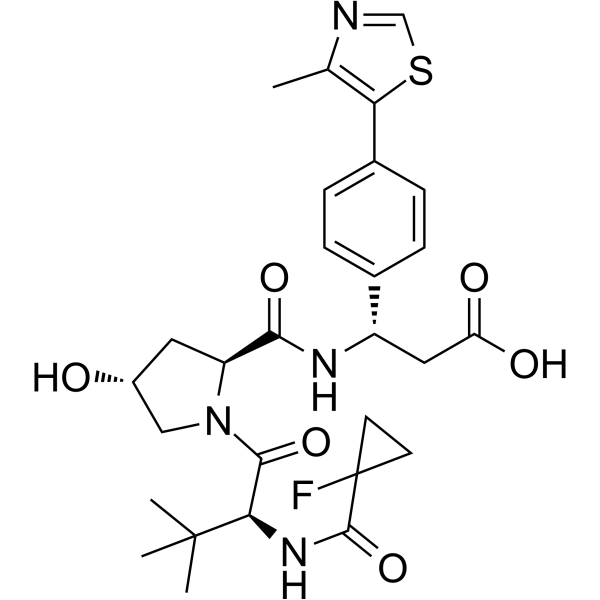
VH032-cyclopropane-F
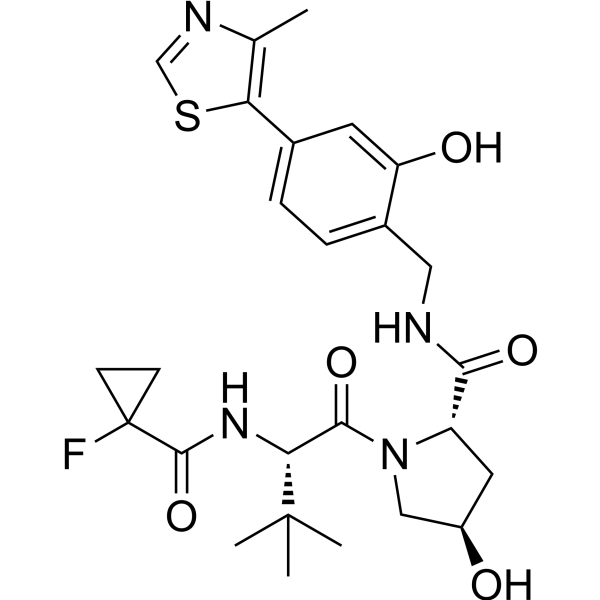 0 ImagesSynonyms: VHL ligand 3; E3 ligase Ligand 19
-
(S,R,S)-AHPC-propargyl
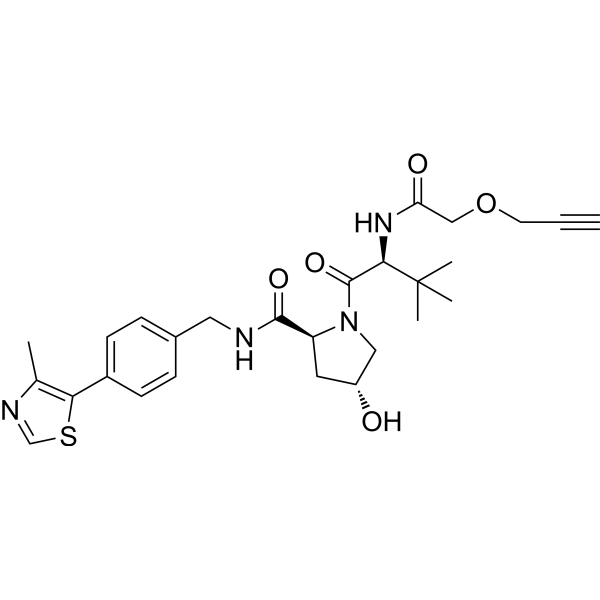 0 ImagesSynonyms: VH032-propargyl; VHL ligand 7
-
(S,S,S)-AHPC hydrochloride
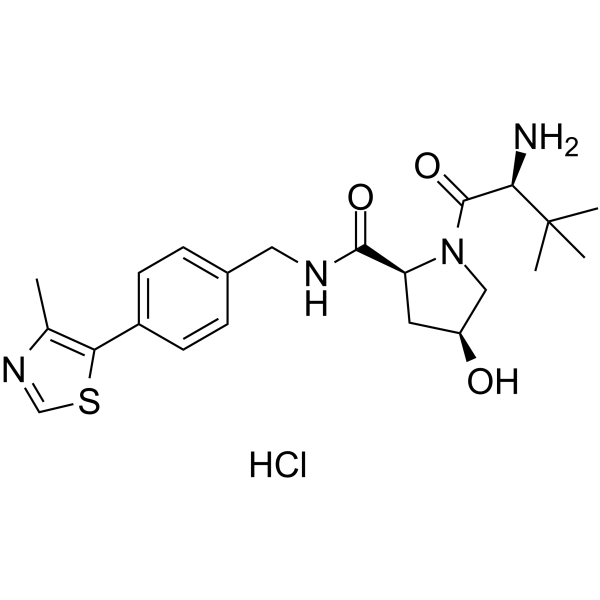 0 ImagesSynonyms: (S,S,S)-VH032-NH2 hydrochloride(S,S,S)-AHPC ((S,S,S)-VH032-NH2) hydrochloride is a von Hippel-Lindau (VHL) amino building block. (S,S,S)-AHPC (Compound 27) is a ligand used as a negative control for (S,R,S)-AHPC (HY-125845). (S,R,S)-AHPC is the VH032-based VHL ligand used in the recruitment of the VHL protein.
-
(S,R,S)-AHPC-Boc
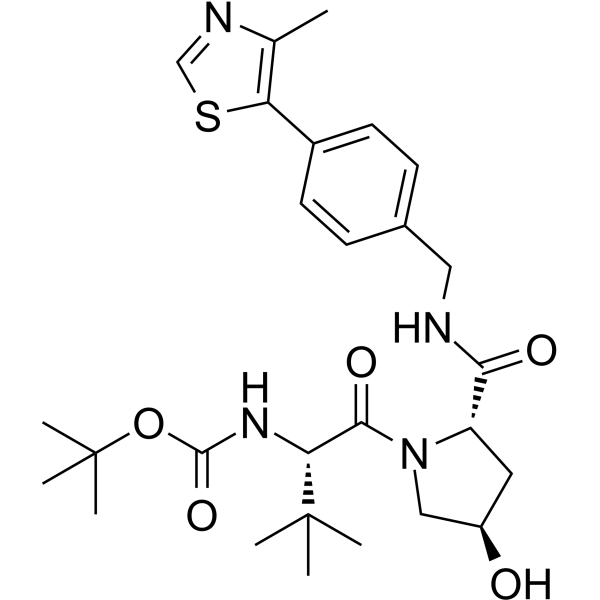 0 ImagesCat. No.: HY-123109CAS No.: 1448189-98-7Synonyms: VH032-Boc(S,R,S)-AHPC-Boc (VH032-Boc) is a ligand used in the recruitment of the von Hippel-Lindau (VHL) protein. (S,R,S)-AHPC-Boc is used in PROTAC technology.

-
(S,R,S)-AHPC-Me dihydrochloride
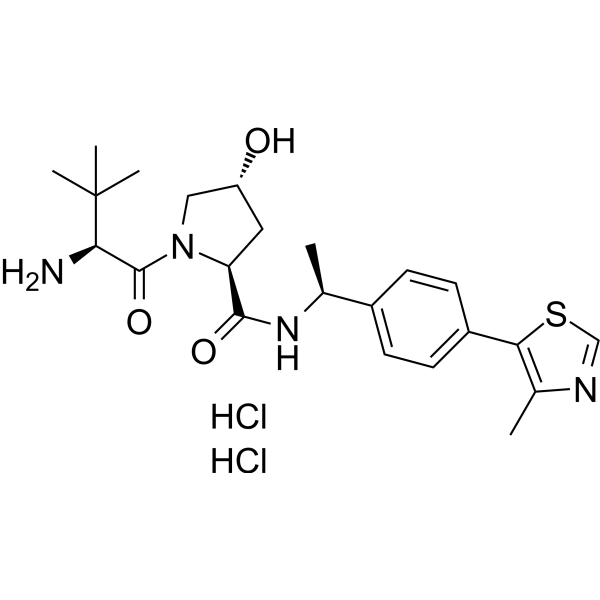 0 ImagesSynonyms: VHL ligand 2 dihydrochloride; E3 ligase Ligand 1 dihydrochloride(S,R,S)-AHPC-Me dihydrochloride (VHL ligand 2 dihydrochloride) is the (S,R,S)-AHPC-based VHL ligand used in the recruitment of the von Hippel-Lindau (VHL) protein. (S,R,S)-AHPC-Me dihydrochloride can be used to synthesize ARV-771, a von Hippel-Landau (VHL) E3 ligase-based BET PROTAC degrader. ARV-771 potently degrades BET protein in castration-resistant prostate cancer (CRPC) cells with a DC50 <1 nM.